Understanding the Psychology of Social Activities
Social activities play a critical role in fostering community connections and enhancing individual well-being. This article explores the psychology behind these activities and how they can benefit both individuals and communities.
The Psychological Benefits of Social Engagement
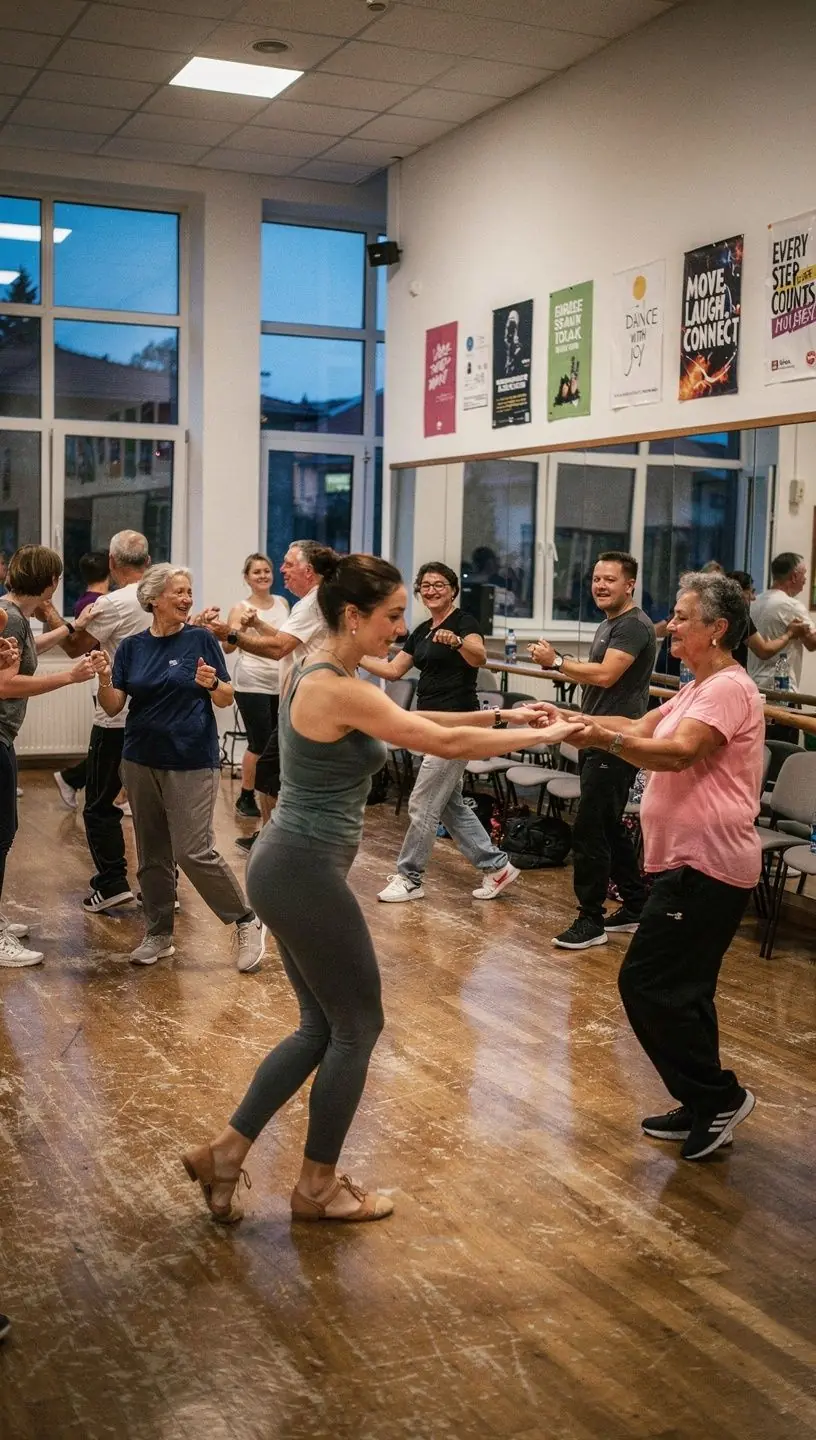
Participation in social activities can lead to numerous psychological benefits. According to research, engaging in regular social interactions can help reduce feelings of loneliness and improve overall mental health. Experts suggest that socializing frequently contributes to lower stress levels and enhances mood regulation.
"Social connections are essential for both emotional resilience and psychological well-being." - Mental Health Research Journal
Understanding Group Dynamics
Group dynamics play a significant role in the success of social activities. Typically, individuals feel a sense of belonging when they engage in group activities. This phenomenon is supported by the Social Identity Theory, which posits that people derive part of their self-concept from their group memberships. This connection can lead to increased motivation to participate in community events.
How Group Activities Foster Connection
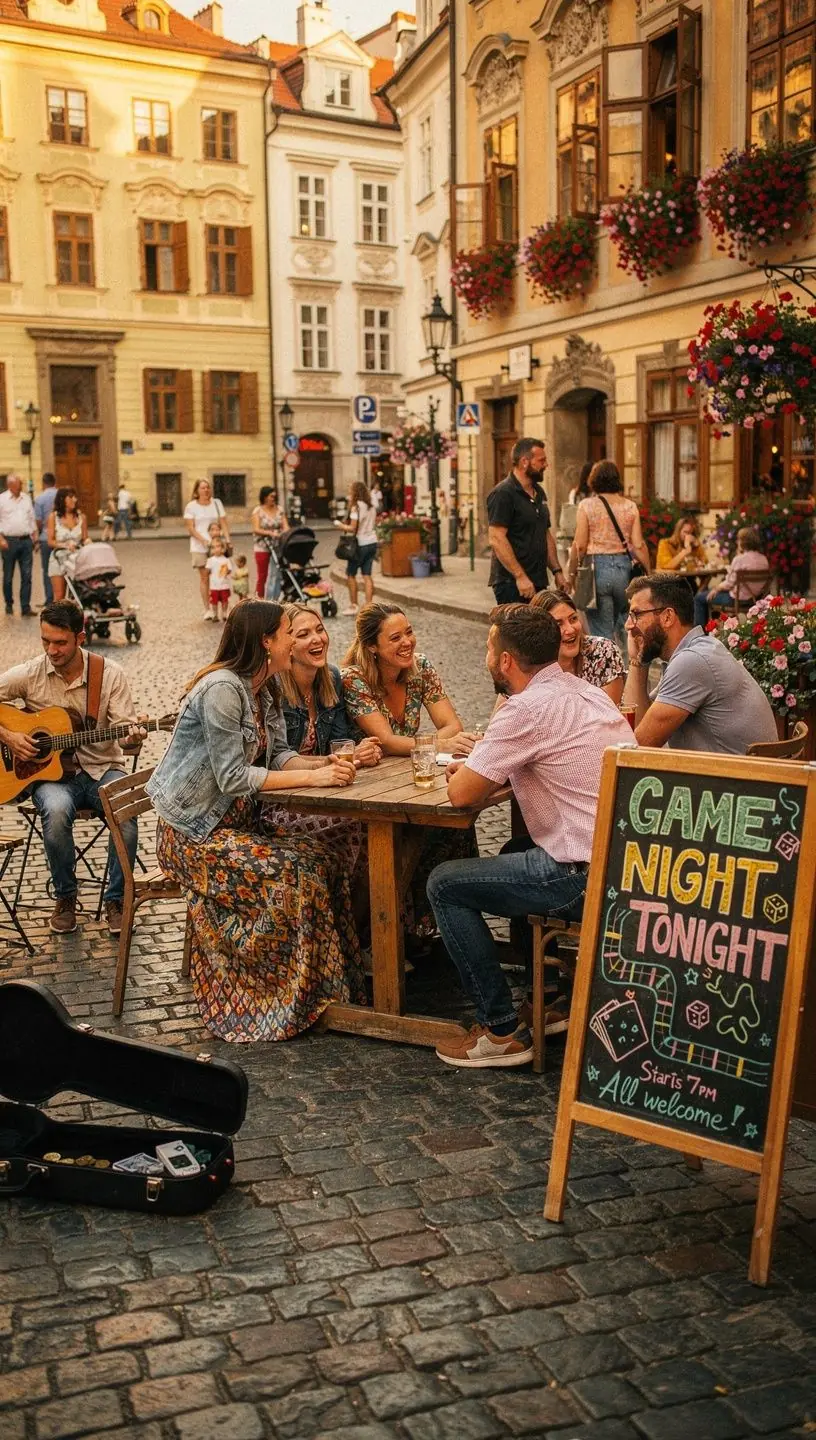
Group activities such as music sessions or game nights can create a platform for individuals to connect over shared interests. Research indicates that these shared experiences can enhance interpersonal relationships, as participants bond over common goals and experiences.
Barriers to Participation
Despite the benefits, many individuals face barriers to joining social activities. These barriers can include:
- Lack of Time: Many people report that busy schedules hinder their ability to participate in community events.
- Social Anxiety: For some, the fear of engaging in group settings can deter participation, which research indicates is common.
- Accessibility Issues: Not all venues are easily accessible, which may limit participation for certain individuals.
Encouraging Participation
To foster greater community involvement, it’s essential to create welcoming environments. Here are some proven strategies:
- Inclusive Planning: Organizing events that cater to diverse interests can attract a broader audience.
- Community Outreach: Engaging with local residents through targeted outreach can help raise awareness of available activities.
- Building a Supportive Culture: Encouraging a culture of support and understanding within the community can help alleviate social anxiety.
Conclusion
Understanding the psychology of social activities reveals their critical importance in enhancing community connections and individual well-being. While barriers to participation exist, addressing these obstacles through inclusive planning and supportive environments can significantly boost engagement. Remember, the journey towards building a vibrant community through social activities is ongoing and requires a collective effort from everyone involved.