How to Volunteer and Support Local Event Initiatives
Volunteering at local events can be a rewarding experience that not only benefits your community but also enriches your personal life. In this article, we explore practical steps to becoming a volunteer and how your involvement can support local initiatives effectively.
Understanding the Importance of Volunteering
Volunteering at community events is an important way to foster social connections and enhance local culture. According to research conducted by the National Volunteer Center, communities with active volunteers often report higher levels of social cohesion and satisfaction among residents. This is partly because volunteers help create engaging activities that bring people together.
"Volunteering can increase community engagement and improve individual well-being, according to numerous studies." - Community Development Expert
Steps to Get Involved
If you're interested in volunteering, here are some actionable steps to guide you:
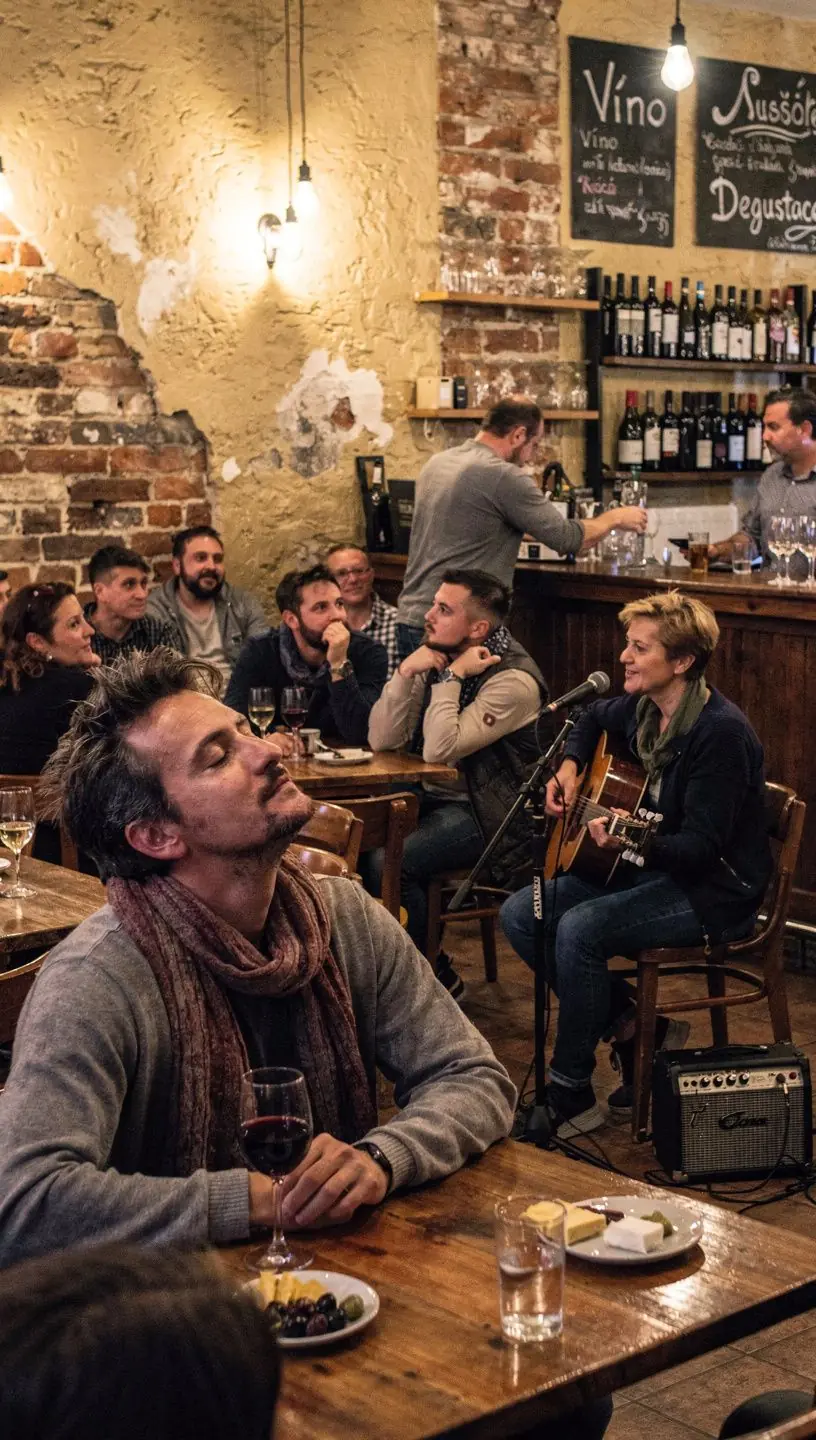
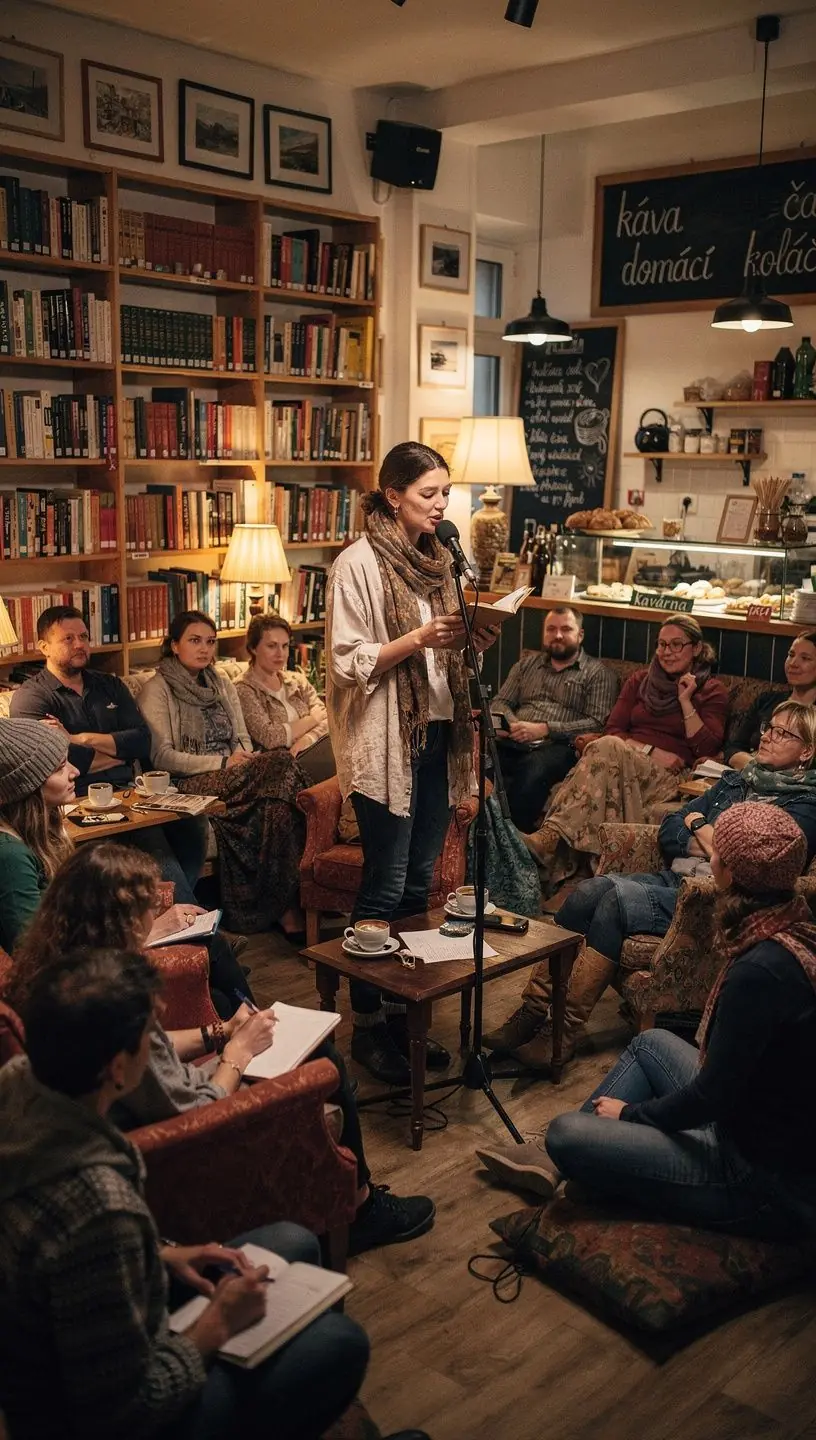
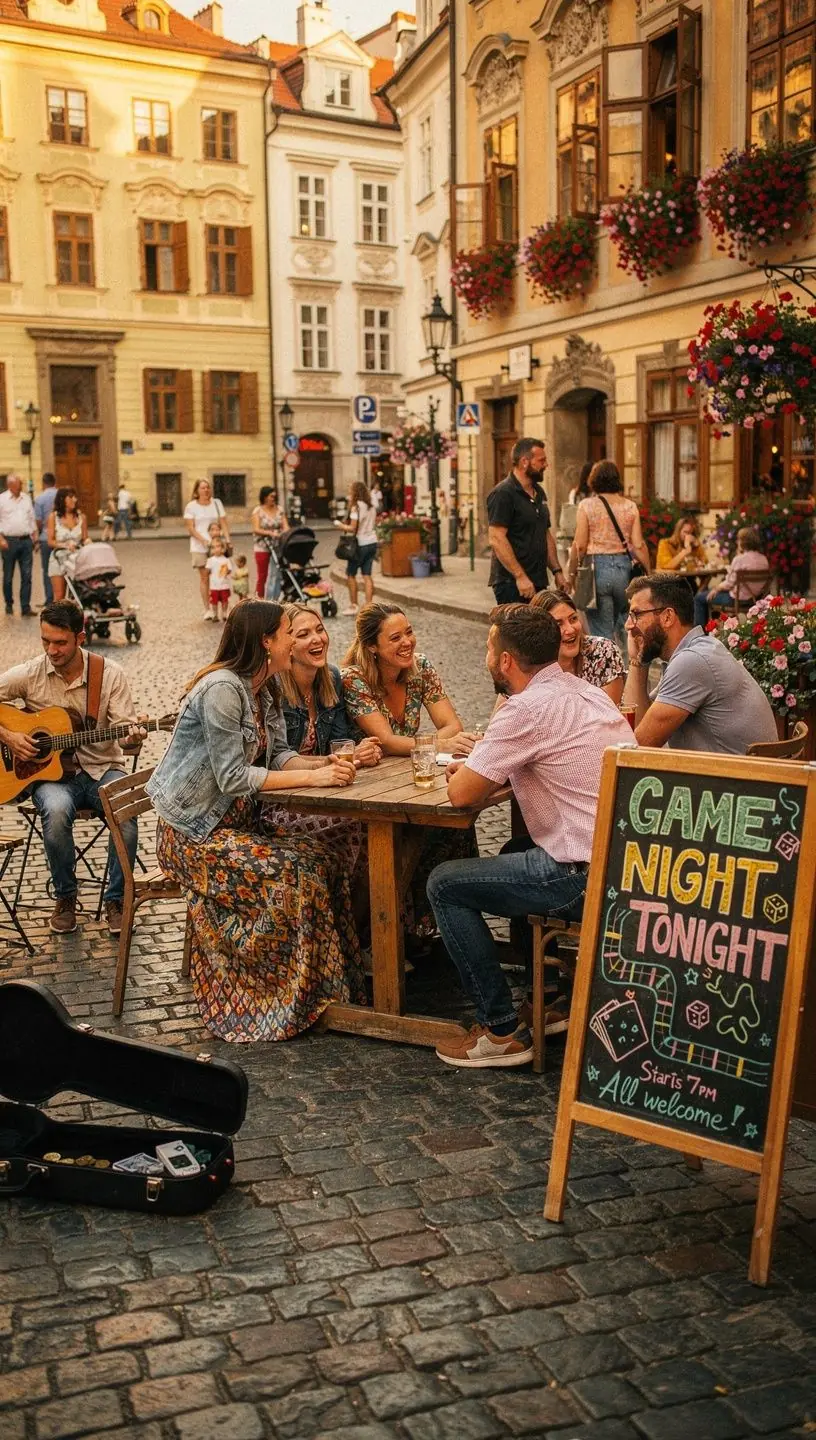
- Identify Your Interests: Consider the types of events that resonate with you, such as music sessions, game nights, or art fairs. Engaging in activities you are passionate about often leads to a more fulfilling volunteer experience.
- Research Local Opportunities: Many community centers and local organizations host events and often rely on volunteers. Websites like brindwick.site can help list current opportunities in your area.
- Connect with Organizers: Reach out to event organizers through social media or email. Express your interest in volunteering and inquire about specific roles or needs they might have.
What to Expect When Volunteering
While volunteering can be highly rewarding, it's important to acknowledge the commitment involved. Typically, volunteering for an event may require a few hours to several days of your time, depending on the event's scope and your role. Here are some common expectations:
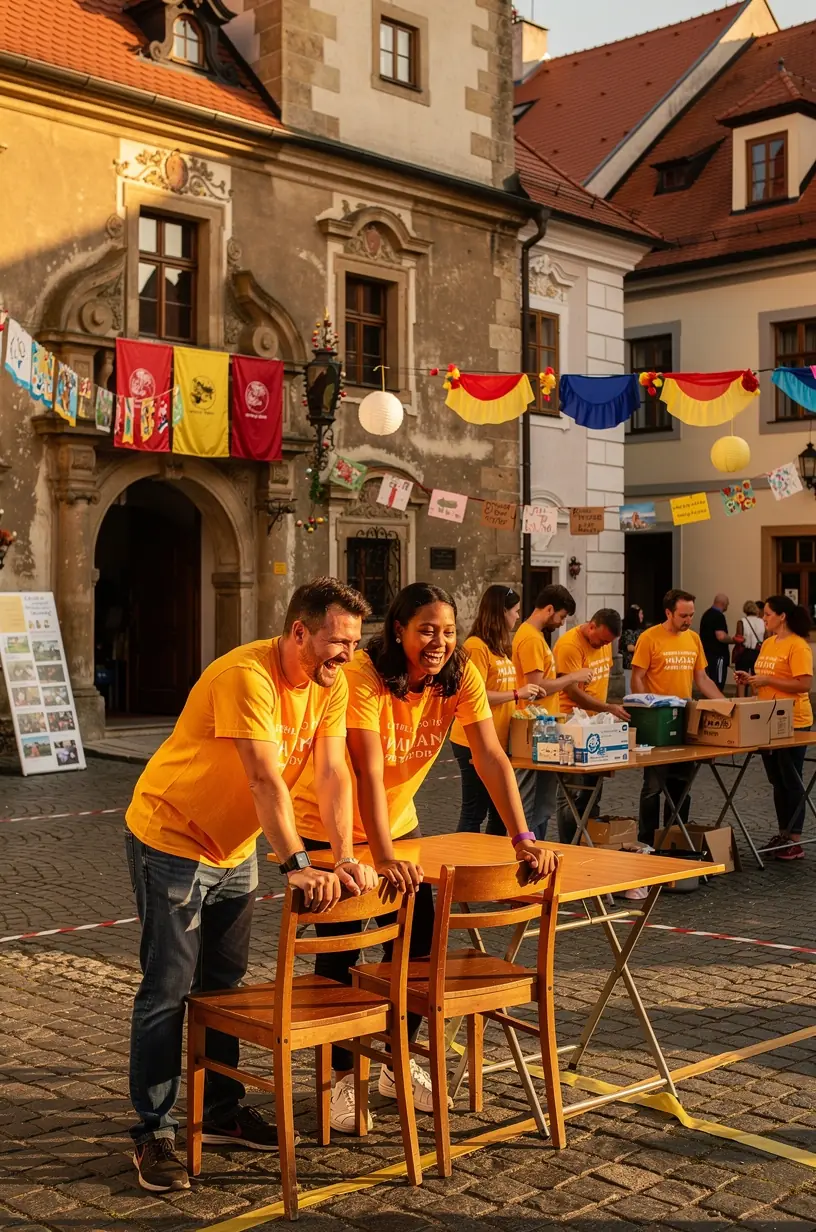
- Time Commitment: Events often require preparation time, which may involve attending planning meetings or setting up before the event starts. This generally takes 2-4 weeks in advance.
- Training and Orientation: Most organizations provide some form of orientation or training for volunteers. This process helps to familiarize you with your responsibilities and the event's logistics.
- Teamwork: Volunteering often involves working closely with others. Being prepared to collaborate and communicate effectively can enhance the experience for everyone involved.
The Benefits of Supporting Local Initiatives
Supporting local events through volunteering not only helps your community but can also lead to personal growth. Many users report improved social networks and enhanced skills such as communication, leadership, and problem-solving. According to experts, engaging in such activities can also contribute to overall well-being, with studies indicating that volunteering can reduce feelings of isolation.
Conclusion
Volunteering for local events is a practical way to contribute positively to your community while developing personal skills and connections. By identifying your interests, researching opportunities, and committing your time, you can play a vital role in supporting local initiatives. Remember that your involvement can help create memorable experiences for others, and in many cases, lead to lasting friendships and community ties.