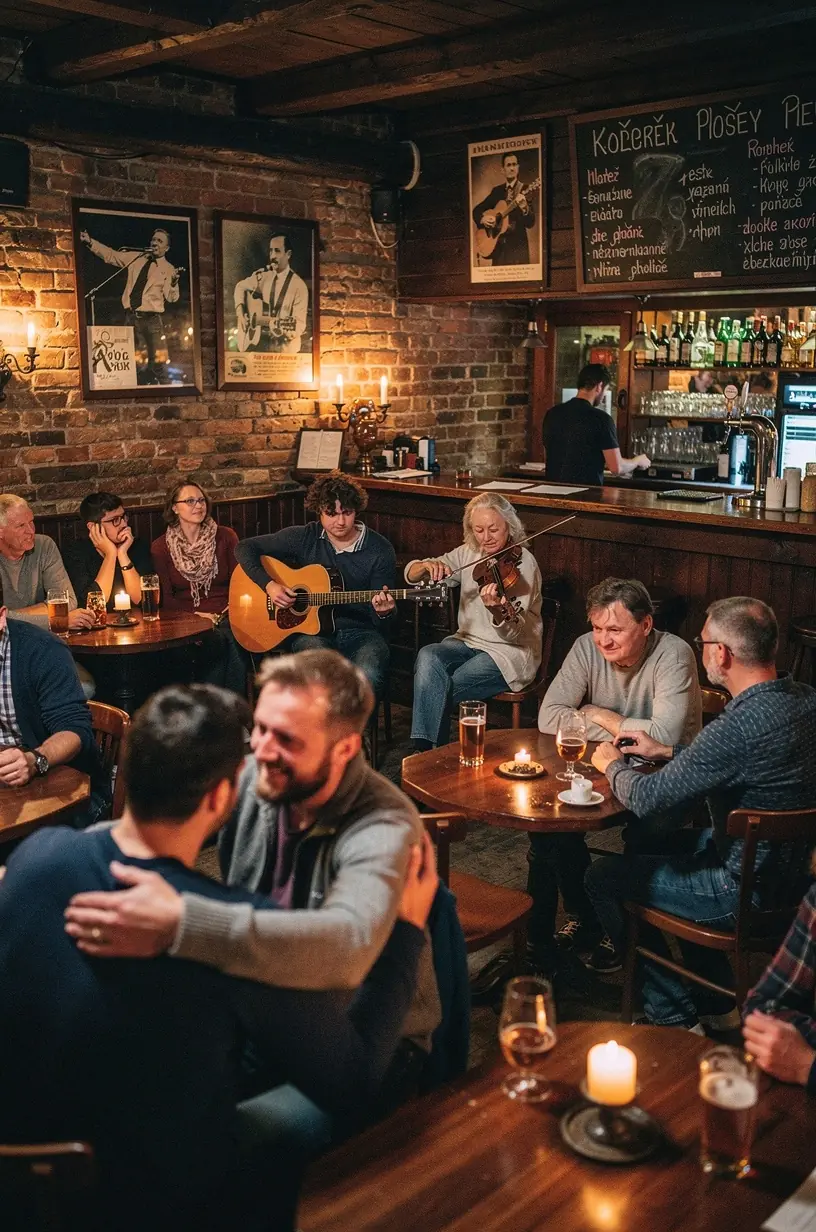
Exploring the Benefits of Outdoor vs. Indoor Events
As the popularity of local events continues to rise, many organizers and participants find themselves weighing the benefits of outdoor versus indoor venues. Each setting offers unique advantages that can enhance the experience of social activities, from music sessions to game nights. In this article, we’ll explore these benefits and help you understand which environment might suit your needs best.
Understanding the Basics
Outdoor and indoor events typically cater to different audiences and preferences. Research indicates that outdoor events often promote a sense of community and relaxation, while indoor settings provide a controlled environment that can enhance engagement. According to a study published in the Journal of Environmental Psychology, exposure to natural settings can increase interpersonal interactions, suggesting that outdoor events can foster stronger social connections.

"Attendees at outdoor events often report feeling more relaxed and open compared to indoor settings, which can enhance the overall experience."
Benefits of Outdoor Events
Outdoor events, such as music festivals and social gatherings in parks, come with a host of benefits that can significantly enhance participant enjoyment:
- Natural Atmosphere: Many users report that the fresh air and natural light create a more enjoyable atmosphere. According to experts, being in nature can reduce stress and promote feelings of well-being.
- Spacious Environment: Outdoor venues typically provide more space for activities and mingling, allowing for various setups like food stalls, game stations, and open areas for dance or relaxation.
- Sensory Experience: The sights and sounds of nature can enrich the experience, making events more memorable. Studies show that participants often have heightened enjoyment levels in natural settings.
Advantages of Indoor Events
On the other hand, indoor events have their own set of advantages that can cater to specific needs:
- Weather Independence: Indoor venues are immune to the unpredictability of weather conditions, making them a reliable choice for organizing events year-round. This reliability can lead to higher attendance rates.
- Controlled Environment: Indoor settings allow for better control over sound, lighting, and ambiance, which can be crucial for events like concerts or game nights where focus and comfort are key.
- Accessibility: Many indoor venues are equipped with facilities that ensure accessibility for all attendees, which can be a significant consideration when planning events aimed at a diverse audience.
How to Decide Between Outdoor and Indoor Events
Choosing the right venue for your event ultimately depends on several factors:
- Purpose of the Event: Consider the nature of the activities planned. Music sessions may benefit from the acoustics of an indoor venue, while game nights could thrive in an outdoor space.
- Audience Preferences: Survey your potential attendees to understand their preferences. Many users report enjoying outdoor events for social interaction, while others may prefer the comfort of indoors.
- Logistics and Budget: Take into account the logistical challenges posed by both venue types. Indoor events can sometimes incur additional costs for space rental, while outdoor events may require permits and additional equipment.
Conclusion
Both outdoor and indoor events offer distinctive benefits that can enhance social gatherings in various ways. Understanding the unique advantages of each can help you make informed decisions that align with the goals of your event and the preferences of your audience. By considering factors such as the purpose, audience dynamics, and logistical requirements, you can create engaging experiences that resonate with attendees. Whether you choose the open skies or a cozy indoor space, the key is to foster connections and create lasting memories.
Learn More