How to Organize a Neighborhood Music Session
Organizing a neighborhood music session can foster community spirit while providing a platform for local talent. This guide will walk you through the essential steps to create a successful event that resonates with your neighbors, encourages participation, and highlights the joy of music.
Understanding the Basics
Before diving into the organization process, it's crucial to understand the significance of community music sessions. According to studies, communal music experiences can strengthen social bonds, improve mental health, and enhance community ties. Additionally, experts recommend that such events can attract diverse groups, fostering inclusivity and cultural exchange.
Steps to Organize a Music Session
- Define Your Goals: Identify what you want to achieve. Are you aiming to support local musicians, foster community engagement, or simply provide entertainment? This will shape your event's structure.
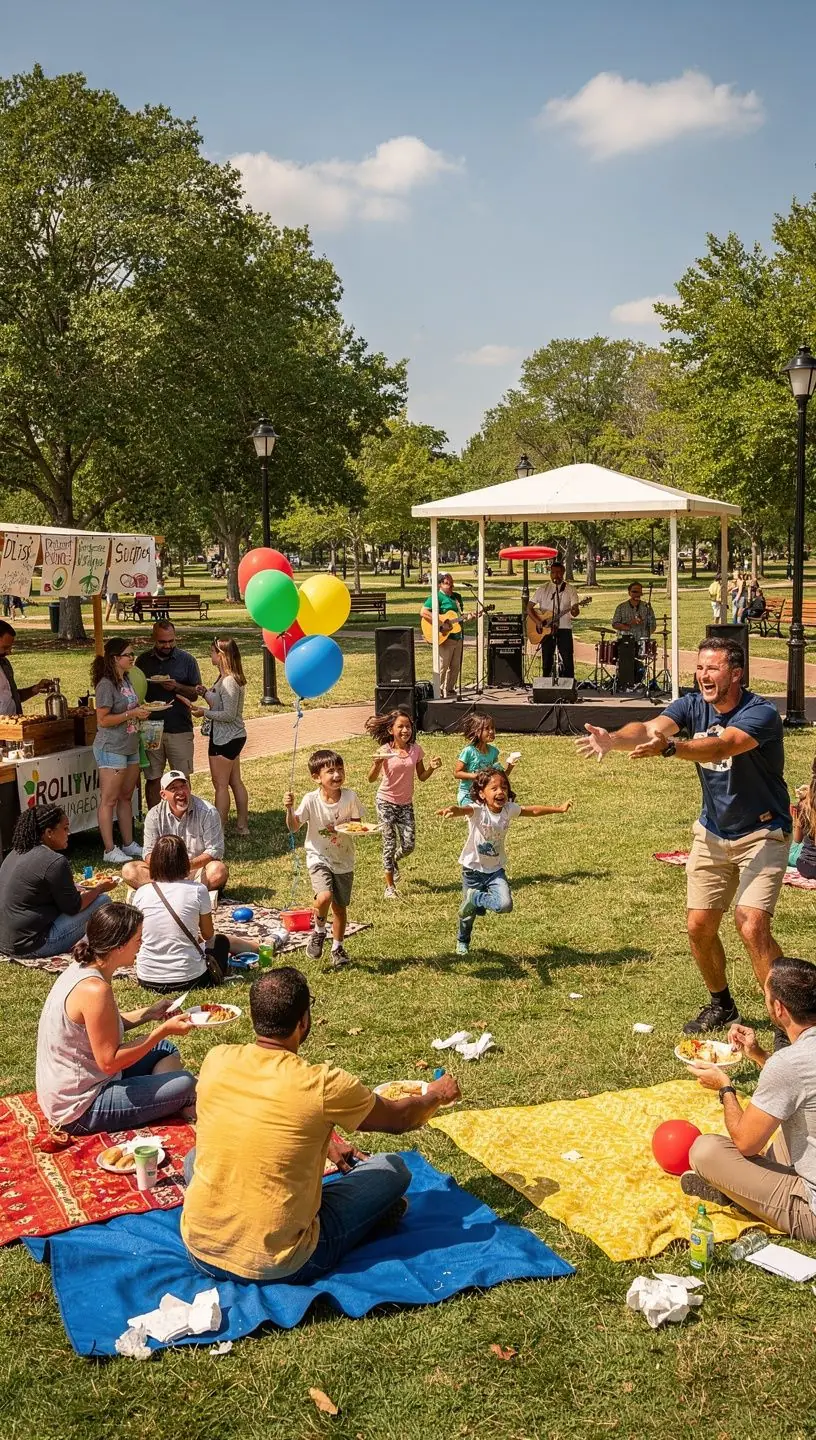
- Select a Venue: Choose a physical venue that can accommodate your audience comfortably. Ideally, this should be a space that is accessible and familiar to the community, such as a local park or community center. Remember that venue capacity and acoustic quality play a significant role in attendees’ experiences.
- Plan Your Lineup: Recruit local musicians who can align with your event's goals. Many users report that engaging local talent not only enhances the event's authenticity but also encourages more community members to participate.
- Promote the Event: Utilize social media platforms, local newspapers, and community bulletin boards to spread the word. Research indicates that a well-rounded promotional strategy can significantly increase attendance rates.
- Prepare for Logistics: Organize necessary equipment such as sound systems, seating, and refreshments. Ensure you have a plan for setup and teardown to streamline the process on the event day.
Engagement and Participation
To maximize community involvement, consider interactive elements like sing-alongs or open mic segments. Industry experts suggest that participatory activities can enhance the enjoyment of the music experience, making it more memorable for attendees. Additionally, you might want to incorporate local food vendors to create a lively atmosphere.
Acknowledging Challenges
It's important to recognize potential challenges. Organizing a music session typically takes several weeks of planning and requires a commitment to execution. You may face obstacles such as obtaining permits, managing noise regulations, or coordinating with artists. Experts recommend starting planning at least 6-8 weeks in advance to address these issues effectively.
"Community events thrive on participation and enthusiasm. The more inclusive and engaging the experience, the more likely it is to succeed." - Local Community Organizer
Conclusion
Hosting a neighborhood music session is a rewarding endeavor that can significantly enrich your community's social fabric. By following these steps and remaining adaptable to challenges, your event can become a celebrated occasion that brings people together. Remember to evaluate the success of your event afterward, gathering feedback for future improvements. With dedication and thoughtful planning, you can create a musical experience that resonates with your neighbors for years to come.