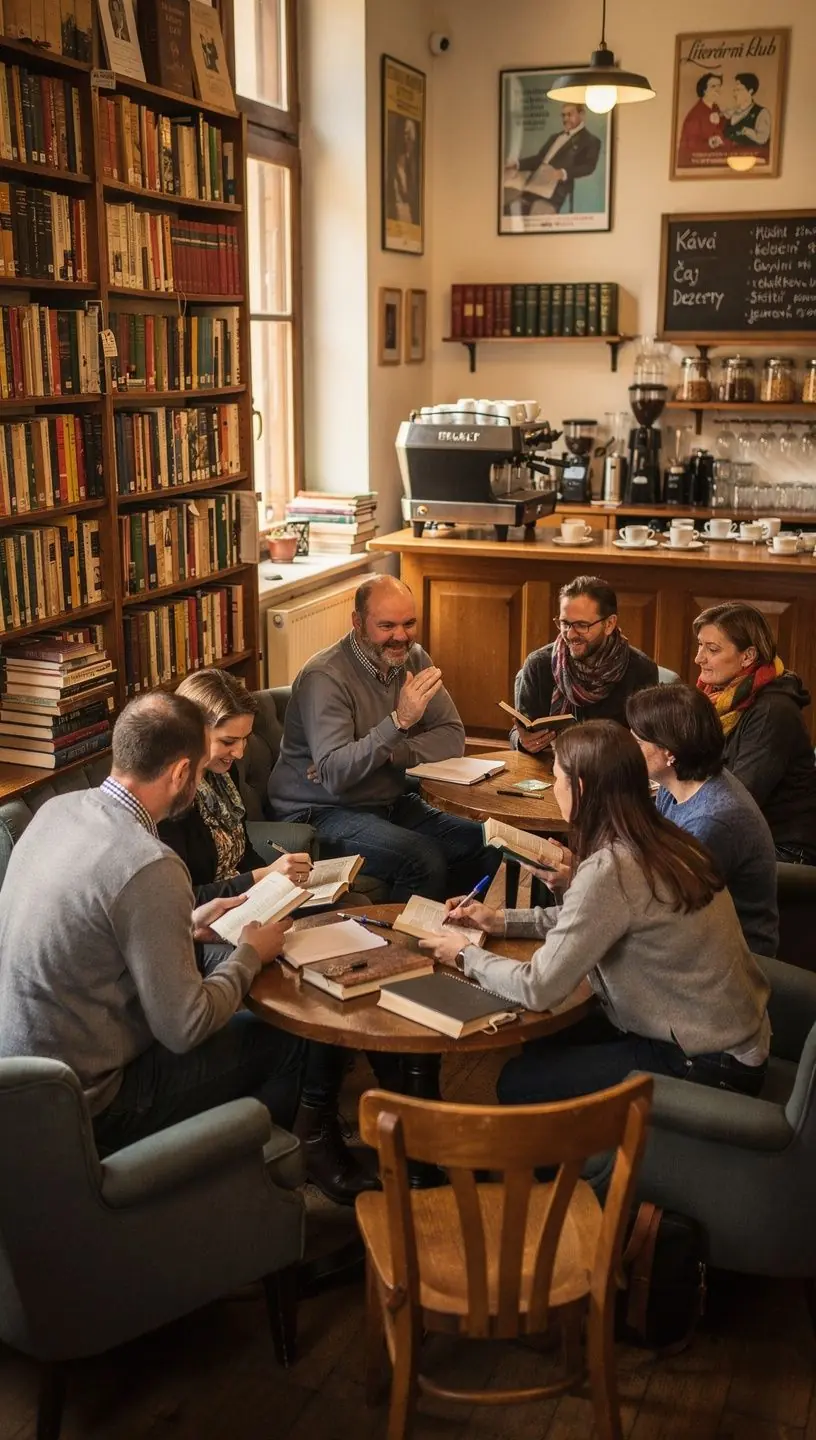
The Impact of Live Music on Neighborhood Culture
Live music has long been a cornerstone of community gatherings, fostering connections and enhancing the cultural fabric of neighborhoods. This article explores how live music sessions can transform neighborhoods, based on insights from various studies and expert opinions.
Understanding the Basics
According to research from the National Endowment for the Arts, live music events can significantly enhance social interactions within communities. This happens because music brings people together, creating an atmosphere conducive to bonding and engagement. In many cases, these events serve as a focal point for neighborhood identity and pride.
"Communities with vibrant live music scenes often report higher levels of social cohesion and satisfaction among residents."
How Live Music Sessions Benefit Neighborhoods
Live music impacts local culture in various ways:
- Social Interaction: Music events create opportunities for residents to meet, interact, and develop friendships, which can lead to a stronger sense of community.
- Economic Boost: Hosting live music events can attract visitors who contribute to the local economy, as studies show that such events can increase foot traffic and sales for nearby businesses.
- Cultural Enrichment: Regular music sessions can showcase local talent, fostering a sense of pride and cultural expression while supporting artists in the area.
The Role of Venues in Promoting Live Music
Many neighborhoods benefit from physical venues that host regular music sessions. These venues often provide a space for both established and emerging artists to perform, which can be critical for local cultural development. Industry experts recommend that venues focus on creating diverse programming that appeals to various demographics to maximize community participation.
Moreover, venues typically encourage collaboration with local artists, which not only helps in promoting talent but also strengthens community ties. For instance, a neighborhood bar might host a weekly open mic night, giving locals a platform to share their music while also drawing in an audience.
Challenges and Considerations
While the benefits of live music are evident, there are challenges to consider:
- Time and Commitment: Organizing live music events typically requires considerable planning and ongoing effort. Venues need to schedule performances, promote events, and ensure that there is adequate support for artists.
- Community Efforts: Successful events often depend on community involvement. This means that building a robust local music scene may take time and dedication.
- Noise and Regulations: In some cases, communities may face challenges related to noise regulations, which can limit the types of events that can be hosted.
Conclusion
In summary, live music plays a vital role in shaping the culture of neighborhoods, fostering social connections, and enhancing local economies. While organizing these events requires effort and collaboration, the long-term benefits can lead to more vibrant, cohesive communities. Engaging with local music not only enriches the cultural landscape but also supports artists and local businesses, creating a lively atmosphere for all residents.
Learn More