Creating a Welcoming Atmosphere for Community Events
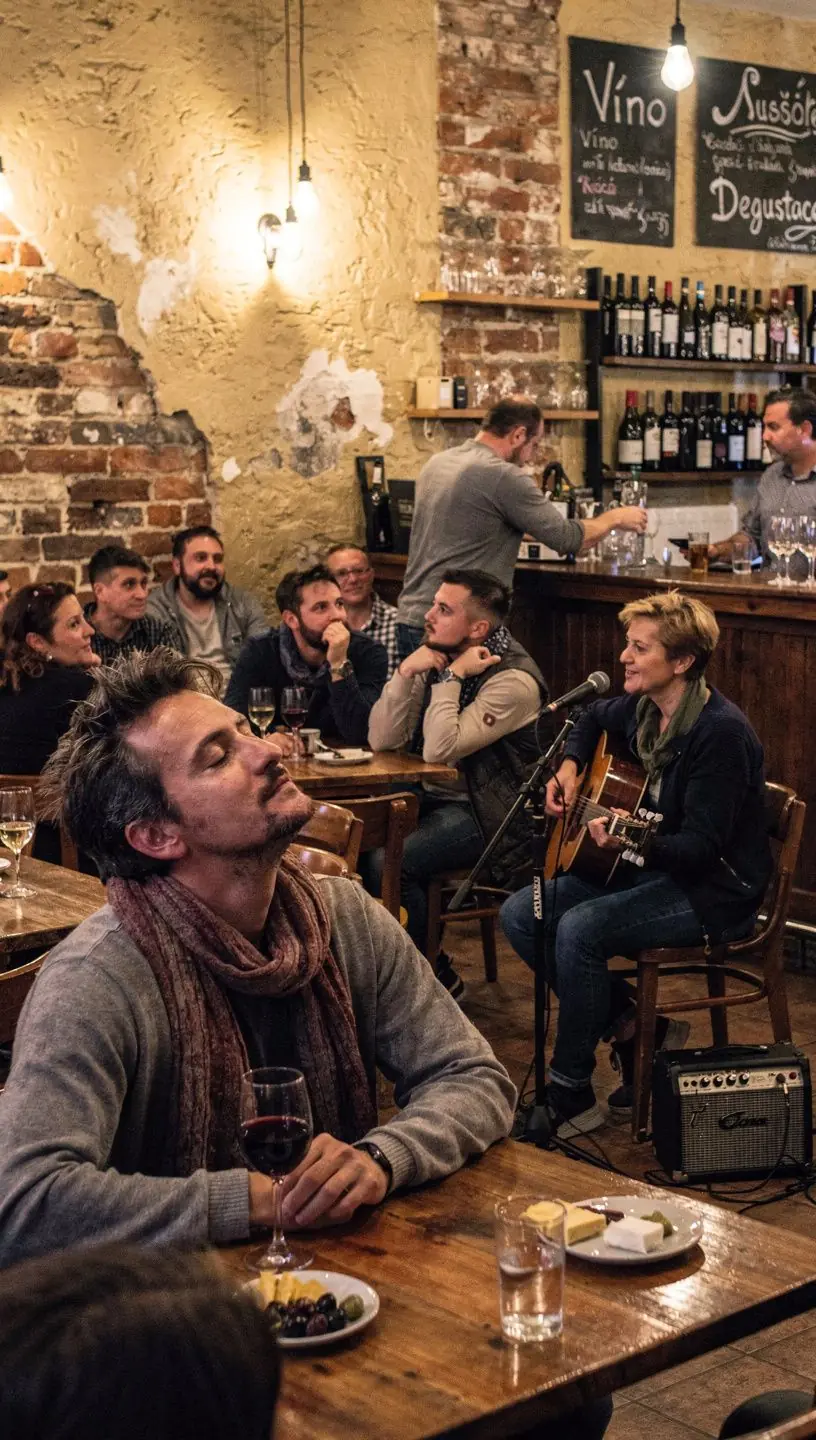
Building a welcoming atmosphere for community events is essential for fostering connection and engagement among attendees. This article explores key strategies to enhance the experience at venues hosting music sessions, game nights, and social activities, drawing insights from industry practices and research.
Understanding the Importance of Atmosphere
Research indicates that a positive atmosphere can significantly influence participants' enjoyment and willingness to return to future events. According to experts in community engagement, a welcoming environment often leads to increased participation and stronger community bonds.
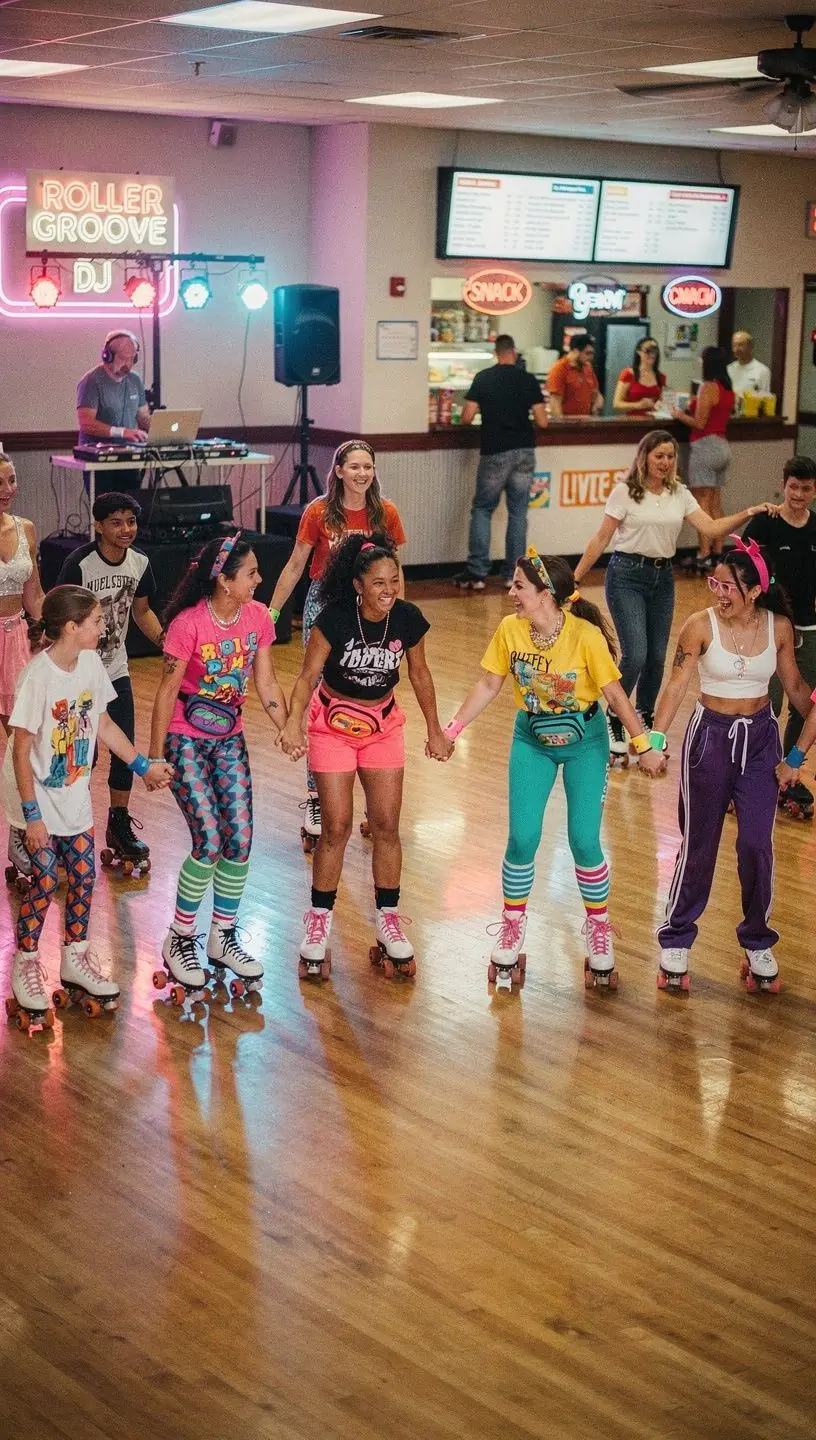
"The atmosphere at community events is critical to participation; it can make attendees feel like they belong." - Community Engagement Expert
Strategies to Create a Welcoming Environment
Here are some practical approaches that venues can implement to enhance the atmosphere of community events:
- Inclusive Design: Ensure that the venue is accessible to everyone. This includes wheelchair access and sensory-friendly spaces. According to industry standards, venues that accommodate diverse needs often see higher attendance and satisfaction rates.
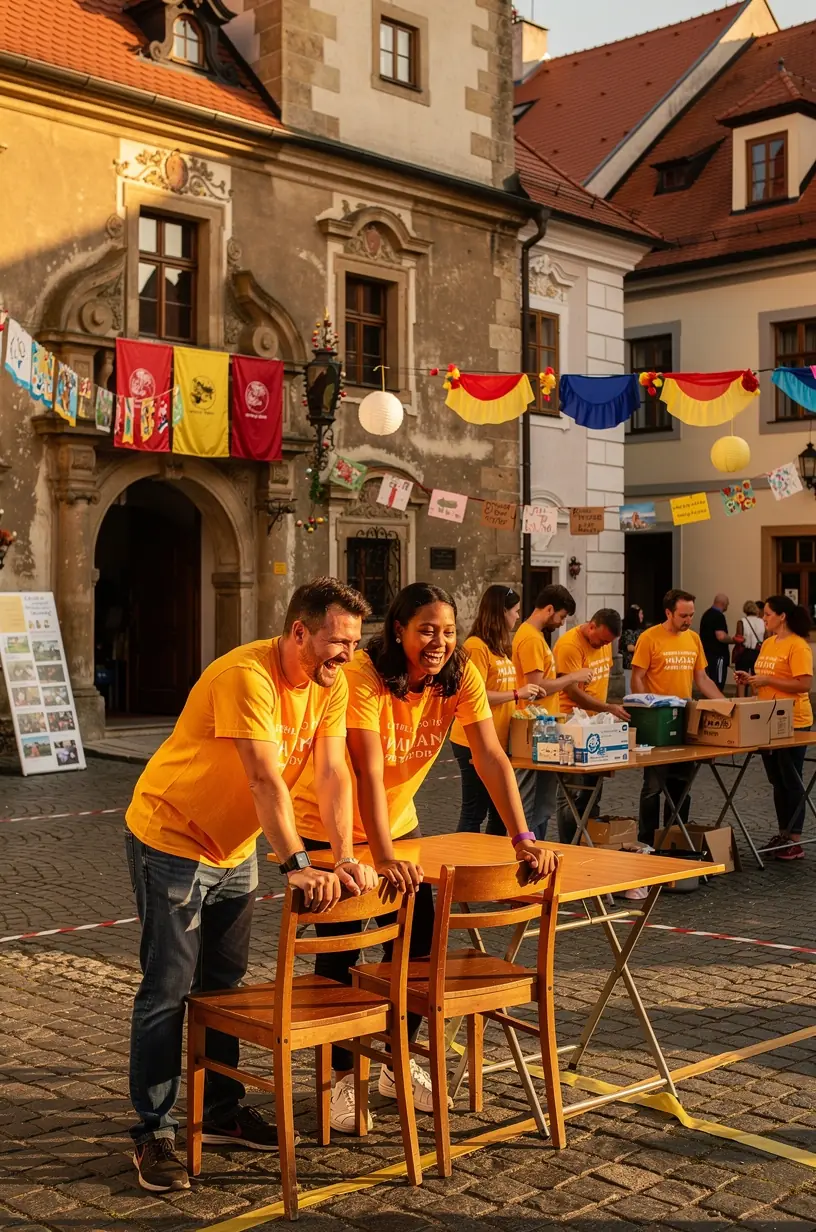
- Personalized Greeting: Having staff or volunteers available to greet attendees can create an inviting atmosphere. Studies show that personal interactions can increase feelings of belonging and make newcomers feel more comfortable.
- Engaging Activities: Curating activities that appeal to a broad audience is vital. Implementing feedback mechanisms can help organizers understand what activities resonate most, ensuring that events are tailored to community interests.
Implementing Feedback Loops
Creating a welcoming atmosphere is not a one-time effort. It requires continuous improvement based on participant feedback. Many users report that providing opportunities for input, such as surveys and informal conversations, helps organizers gauge attendee satisfaction and areas for enhancement.
For instance, an effective approach can involve:
- Distributing quick surveys at the end of events to collect attendee opinions.
- Hosting focus groups to delve deeper into community preferences and needs.
- Regularly reviewing feedback to adapt future events and ensure they are aligned with community desires.
Acknowledging Limitations
While creating a welcoming atmosphere can lead to increased participation, it typically requires time and effort. Organizers should be prepared for a learning curve as they develop their strategies. It’s important to set realistic expectations regarding the resources required; implementing changes may take several events or a few months to see significant results.
Conclusion
In conclusion, fostering a welcoming atmosphere at community events is a nuanced process that benefits from thoughtful strategies and ongoing feedback. By prioritizing inclusivity, personal interaction, and tailored activities, venues can create spaces where community members feel valued and connected. While the journey to enhance atmosphere may involve challenges, the potential rewards—stronger community ties and increased participation—are well worth the effort.